client: CBCdate published: Jun 17, 2026 content type: Documentaries
documentary
The Berg
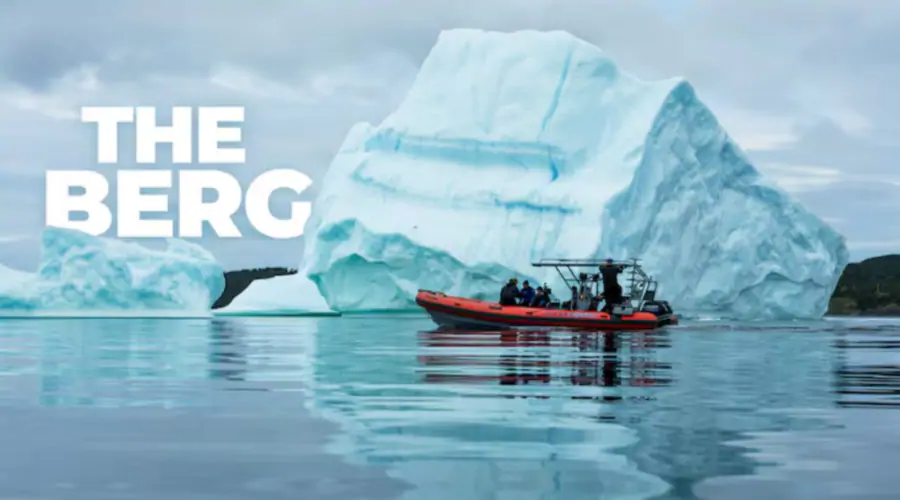
We co-produced an ambitious, multi-year documentary for CBC's The Nature of Things that tracked a single iceberg from Greenland to Newfoundland, utilizing high-risk underwater cinematography to reveal how these melting giants seed the ocean with life and warn us of a changing climate.
The Goal: Co-produce an epic, multi-year expedition tracking the complete birth-to-death lifecycle of a single iceberg, exposing the critical role they play in regulating global climate and marine life.
The Challenge
Floating, majestic, and fundamentally threatened by climate change, icebergs are widely romanticized but narrowly understood ecosystems. While tourists flock to Canada's East Coast to view them from afar, the true chemistry, physics, biology, and underwater life cycles of these drifting behemoths remain hidden beneath the surface. When our international partner Dale Templar at One Tribe TV brought us the concept for The Berg, the goal was highly ambitious: track the complete life cycle of a single iceberg from its spectacular birth in Greenland to its eventual death off the shores of Canada. Securing a commission from CBC’s The Nature of Things, the challenge became an immense logistical test. The production team needed to withstand punishing, high-risk maritime and Arctic conditions to capture a scientifically dense climate narrative, transforming it into an emotionally gripping, visually spectacular epic for a national television audience.
The Approach
Operating through Hemmings Films, we co-produced this high-impact natural history documentary, working in close collaboration with One Tribe TV to produce for CBC's The Nature of Things and ZDF, with funding from the Rogers Documentary Fund, CMF and the Province of Newfoundland and the province of New Brunswick.
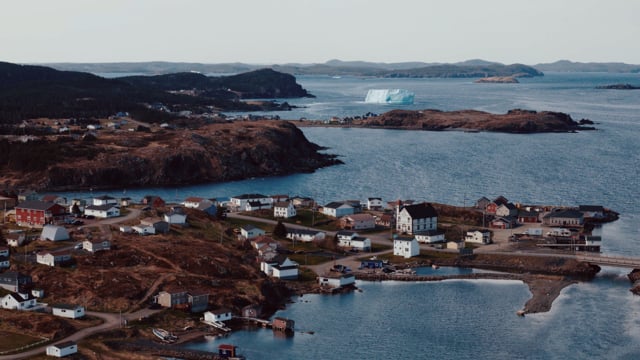
High-Risk Expedition Filmmaking: Directed by award-winning filmmaker Christine McLean, our production teams embarked on a multi-year development and field shoot stretching across the North Atlantic. We filmed on the ground at the birthplace of ice—the Eqi Glacier in southwestern Greenland—and followed the drift patterns into Newfoundland’s famous "Iceberg Alley".
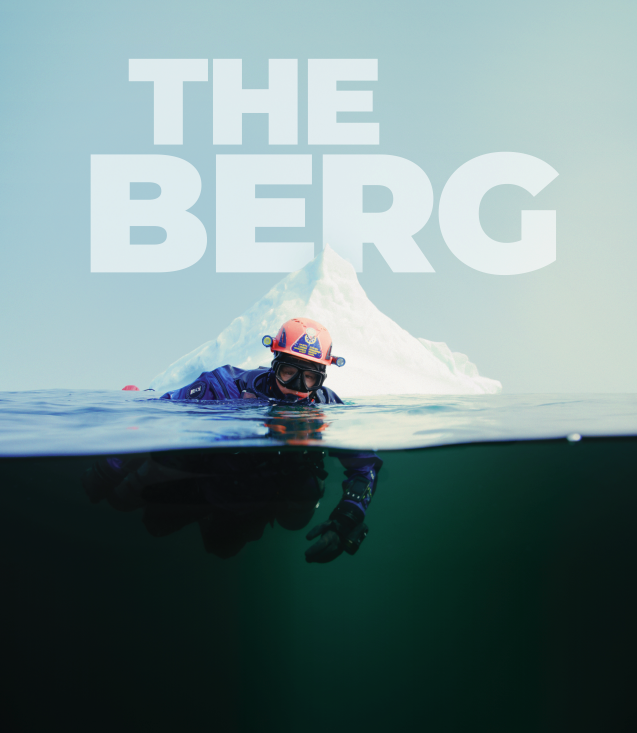
Advanced Multi-Element Cinematography: To fully reveal the hidden scale of the berg, we captured it from land, air, and sea. We deployed premium drone framing, advanced ROVs, and specialized split-rig technology. Crucially, we partnered with legendary Canadian ice-cave diver and underwater explorer Jill Heinerth, utilizing her specialized skills to dive directly beneath the grinding frozen giants to capture unprecedented under-ice sequences.
Highlighting the Invisible Ecosystem: Hosted by Sarika Cullis Suzuki, we structured the narrative to focus heavily on the unexpected life support icebergs provide. The cinematography and pacing beautifully illustrated how icebergs act as living monuments that seed the ocean with life, trailing a biological wake that feeds entire marine habitats and supports carbon-sequestering diatoms.
These vast, living monuments are visually stunning, and they draw our eyes to the powerful forces shaping our world. Icebergs don’t just drift, they help seed the ocean with life, leaving a biological wake that feeds ecosystems, and supports diatoms that sequester carbon and produce much of the oxygen we breathe,” - Jill Heinerth
The Impact
Premiering on CBC and CBC Gem as a flagship episode of The Nature of Things, The Berg achieved massive critical acclaim and broad national reach. Handled internationally by Bomanbridge Media, the film successfully introduced global audiences to the fragile, fleeting beauty of our planet's northern ecosystems. By pairing cutting-edge science with jaw-dropping visual poetry, the documentary served as an undeniable, highly poignant call-to-action regarding global climate change and oceanic temperatures. Furthermore, it stood as a monumental production milestone for the Atlantic Canadian screen industry—proving that a Saint John-based film studio can comfortably spearhead, co-finance, and execute elite, blue-chip natural history expeditions on the global stage.