
culture, behind the scenes
How One Documentary Changed What Kids Learn
Tech entrepreneur David Alston noticed something troubling about his own kids' education. They weren't learning to create with technology the way he had.
written by:hhadmindate published: May 28, 2026 content type: behind the scenes
Back in Grade 8, David discovered computer programming on a Commodore Vic-20. Learning to code unlocked his creativity. He coded his way through university, built a career in tech startups, and helped build Radian6 into a company that sold for millions.
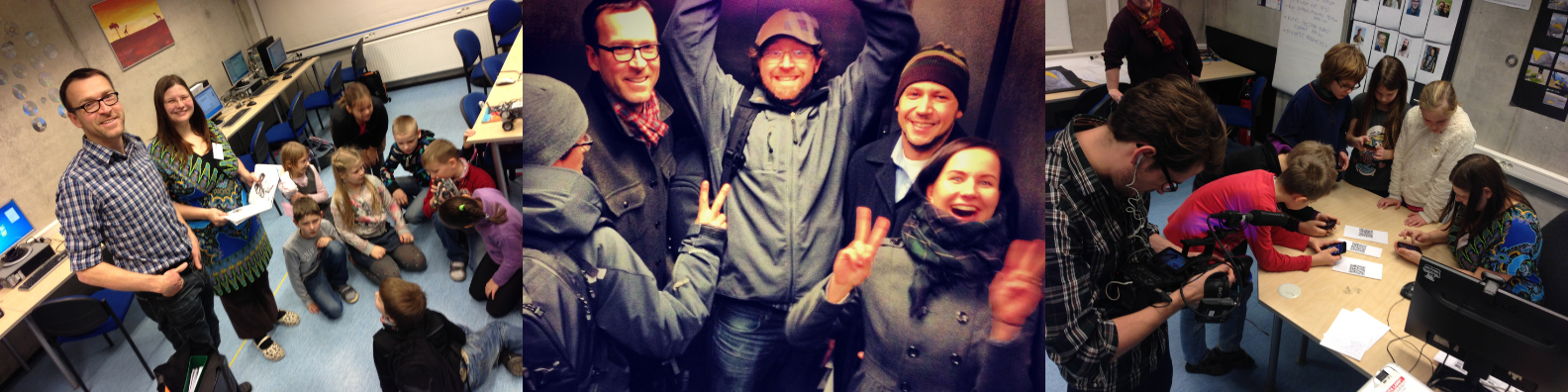
But his kids and their classmates? They were growing up as consumers of technology, not creators, while talented young people kept leaving the region for opportunities elsewhere.
At a tech industry awards night, speaker after speaker raised the same concern: the tech sector needed talent, but the pipeline wasn't there. When David's turn came to accept an award for the startup he was with, he told the story of how coding in Grade 8 changed his trajectory.
David Alward, New Brunswick’s premier at the time, was sitting in the front row. In an instant, the savvy tech leader lobbed out a pitch.
“Is there a chance we can look at bringing computer programming as part of the curriculum?” he asked. “If you want someone to volunteer to work on that, I'd love to do that because I think it's really important.”
The premier came up to him afterward to show his support, the idea suddenly felt real and a flood of people came forward wanting to help.
But how do you actually create that kind of change in education?
David saw the Hemmings House documentary Sistema Revolution about the launch of a transformative social impact music program in New Brunswick. What intrigued him was how it went beyond good storytelling. It wasn’t just a film but a catalyst for creating movements.
“When I saw that documentary, it was like, this is so smart,” David says. “You're following the journey, showing best practices from around the world, asking ‘Why not here?’ And when funding comes on board, you film that and create a loop. That's a big part of change."
Changing Hearts and Minds
At Radian6, David learned about movement-based marketing. He could see how Hemmings House had done exactly that with Sistema.
The question became: Where were the best examples of coding education in the world? Estonia and Finland stood out. Both had transformed their economies by making learning about technology central to their schools.
When David suggested bringing Greg's team to film a government mission to Estonia and Finland, René Boudreau, the senior civil service lead for innovation in New Brunswick, saw the potential.
“I thought the second best thing to taking a bunch of civil servants to Estonia would be to take a film crew and bring a film back that might help change hearts and minds,” René says. “You've got to show people what's possible.”
In early 2014, they flew to Estonia and Finland with cameras following. That trip would serve as the foundation for the Hemmings House documentary Code Kids. The a-ha moment emerged in a single interview.
“We were talking about curriculum development and they kind of chuckled at us,” René recalls. “They said, ‘That takes years and rarely works very well. We just cut right to the teacher. We created innovation funds, and we provided equipment to the teachers who were passionate. They're the ones that led the change in their schools, not the school district.’”
That insight became the blueprint. Bottom up, not top down. Outside in, not inside out.
The Hollywood Effect
But there was another dynamic at play.
“When you're capturing history on film, it taps into the 15 minutes of fame gene everyone has,” David explains. “If they're going to go down in history, they want to be seen as a hero.”
René saw this work in real time.
"Those cameras were a key component,” he says. “When you're under the lens, it creates its own momentum. Having that opportunity for politicians to be part of the movie, part of the arc from discovery to creation to results, is itself a driver of making sure the initiative happens.”
The film crew was also there when Premier Alward announced startup funding for what would become Brilliant Labs, inspired by the Estonian model of funding the passionate teachers and letting them lead the change. The moment was captured. The movement had its momentum.
Code Kids followed students like 15-year-old Callum Pickles, coding an anti-bullying app, elementary kids learning with robots, and teachers embracing the Estonian model. All of it was proof that the model could work in Canada.
If it wasn't for that documentary, there would be no program at all,” says Jeff Willson, executive director of Brilliant Labs. “All credit to Code Kids for getting things going.”
From Seven Schools to Four Provinces
Brilliant Labs launched with 19 schools in New Brunswick, one school in each school district with a makerspace, and 12 schools trying one project to fan the flames of what creative and innovative students and teachers wanted to build.
“If it wasn't for that documentary, there would be no program at all,” says Jeff Willson, executive director of Brilliant Labs. “All credit to Code Kids for getting things going.”
Today, Brilliant Labs provides support to more than 97 per cent of all schools across New Brunswick, Nova Scotia, Prince Edward Island, and Newfoundland & Labrador. It has provided more than 1.2 million interactions with youth and nearly 154,000 supports for teachers. Departments of education saw results and kept investing.
Alumni include youth who've won $100,000 scholarships and a graduate who got into Y Combinator and raised $3 million for an AI startup.
What This Reveals About Movement Making
As Hemmings House approaches its 20th year, Code Kids stands as an early example of an approach the company would refine over two decades: find where passion exists, provoke early support, film the journey, create inspiration, and build the momentum.
“If we hadn't shot the documentary, I'm not sure whether the movement would have been accelerated the way it is,” David says. “I'm not sure that people would have come out of the woodwork to join in on it.”
In other words, the film didn't just document a movement. It created the conditions for the movement to exist.
“You have to be bold. You have to say,’ We're doing this, this movement has started, and we hope you join.’ It's different when you want to be part of something. And these movement documentaries help create that positive social capital that makes people want to join.”
If you're working to create movements that need momentum, to show what's possible and build the loops that turn ideas into lasting change, contact the team at Hemmings House to explore how film can accelerate your mission. Contact us at hello@hemmingshouse.com.
Things to Read Next
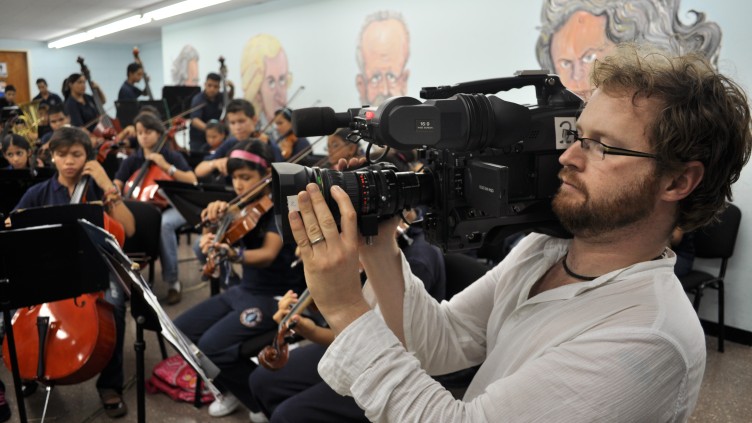
The Film That Catalyzed a Movement
back to beyond the frame view next Click Here culture, behind the scenes Blog title…
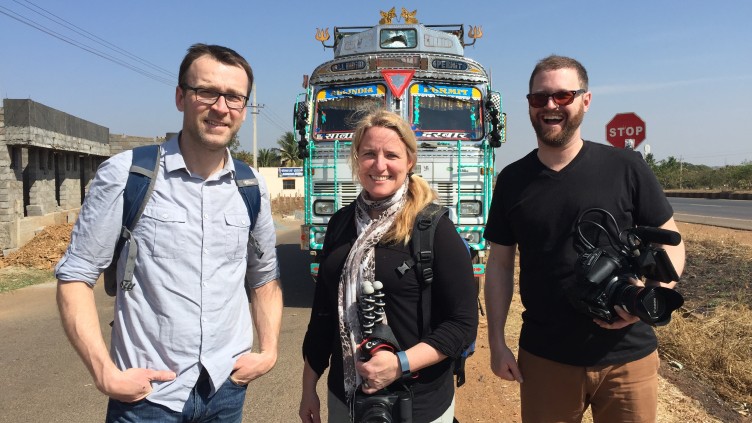
Rethinking Success: The Story Behind the Millennial Dream
back to beyond the frame view next Click Here culture, behind the scenes Blog title…
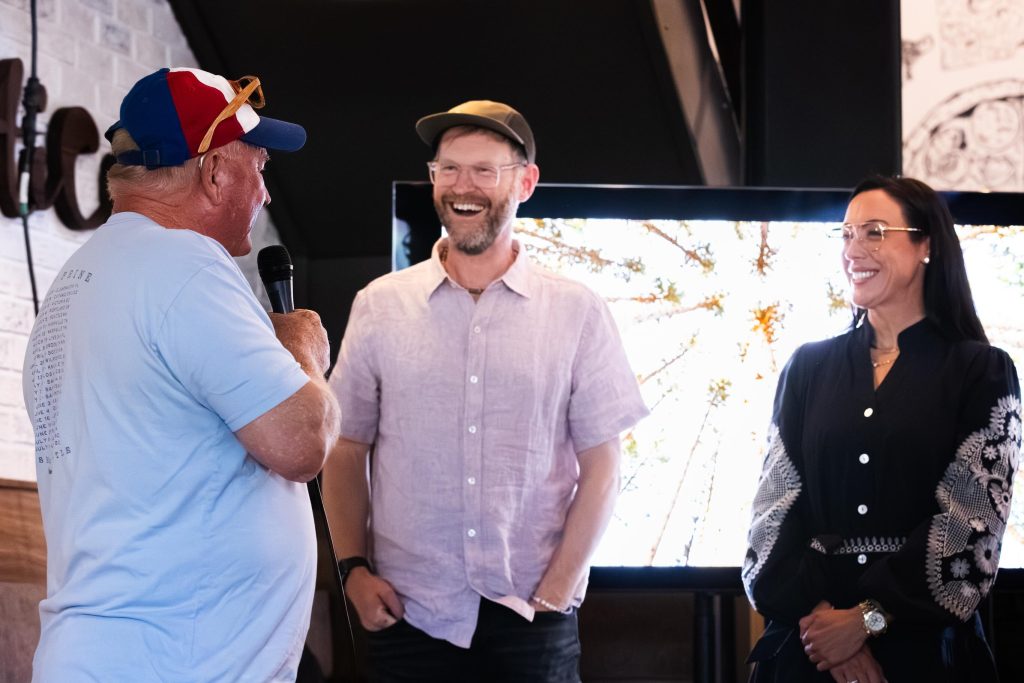
Emily Rodger: From reluctant subject to TV host, and a life transformed
back to beyond the frame view next Click Here culture, behind the scenes Blog title…