
culture, behind the scenes
A New Definition for Banking in the ‘Love Economy’
Can We Create a New Lexicon for Positive-Impact Finance?
written byhhadmindate published Aug 31, 2017 content type culture
A movement in the banking world is growing, one to regain trust and build an economy based on integrity and honesty. This movement is the financial sector’s contribution to what I call “The Love Economy.” The banking industry is seemingly rife with corruption and unfair practices. But, the exciting news, is more financial institutions today are actually taking care of people’s money and help it grow, and not at the expense of people or the planet. Change actually is happening.
A number of banks are becoming certified B Corps, such as Alliance Bank, New Resource Bank , Spring Bank and my friends at the Business Development Bank of Canada (BDC)These banks focus on building financial inclusion, community impact and ethical investing through their business model. The same is true for the credit union sector—by nature, credit unions have been community focused as a result of their member ownership. In Canada, more changes to the credit union model are underway.
Disruption in the Canadian Credit Union Sector
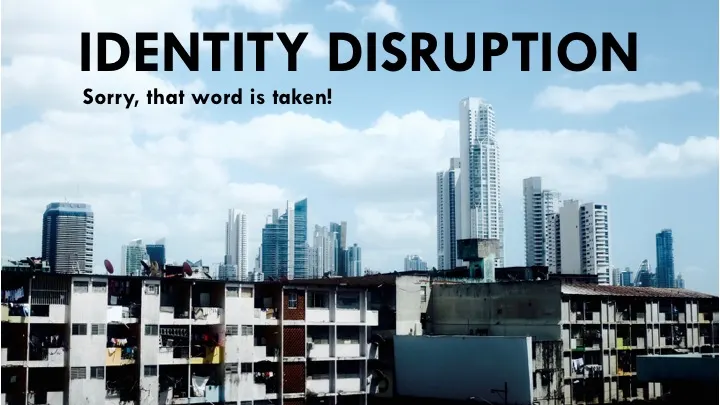
On June 30, 2017, Canada’s Office of the Superintendent of Financial Institutions (OSFI) proposed a linguistic change in the banking industry that would force the credit union sector to strip the words “bank,” “banker” and “banking”out of their official lexicon.
Why is the change being proposed? It has been presented as a response to payday loan sharks and other non-chartered financial businesses that have been luring customers by using the word “bank.” It comes from a place of good intentions. The problem for credit unions arises because they are not chartered banks, so they are caught up in this disruption. Credit unions are not predatory lenders, however. They are financial institutions just like other banks, and I believe they practice banking the way banks are supposed to. Some are suspicious that lobby groups representing the big banks are pushing to keep credit unions out of their competitive landscape.
This change is estimated to cost the credit-union industry up to $80 million to take the words out of all legal and marketing documents countrywide.
How Credit Unions Are Leaders in the Love Economy
The Canadian B Corp certified credit union community is alive and well. I was honoured to be asked to deliver the keynote speech for OMISTA Credit Union when they became certified. A year later, they invited me back to speak at the grand opening of a new branch. The speech was delivered the same week that these language changes were announced by OSFI, and the whole credit-union sector was up in arms.
I was excited to remind them that they are financial leaders in what I call the Love Economy, and a disruption like this could actually be a blessing for the sector that is building a sturdy economy with blocks of love (inclusion, sustainability, justice, integrity, ethics, etc.) I shared with them a video I shot with my daughter that demonstrated how the “greed economy,” led by the big banks, operates. The lesson is that we have been building our economy with limited resources as high as we humanly can build it. But the higher a tower gets by using materials from the bottom and the middle, the less sturdy it becomes, which of course leads to an eventual topple.
Maybe we are ok to let the word “banking” be synonymous with corruption and greed.
What Is the Upside of This Disruption?
With every disruption, opportunity is born. What if taking the words bank, banker and banking out of the credit union sector was a good thing? What if the chartered banks who are B Corp certified joined the movement as well, and starting speaking a new language around what we know today as banking?
The original definition of “bank” had nothing to do with finances and wealth. A bank is a word in the natural environment, like a bank of a river, or a steep bank. The word evolved into being used as a definition for a heap or pile, like a bank of clouds, or a bank of logs. You can see how the word eventually led to a bank of money, or a bank of wealth.
If the financial sector chose to use the “natural” word bank, why can’t the financial institution of the new love economy find a new word that isn’t connected to the injustice and bad behaviour connected to the big-banking brand?
Maybe we are ok to let the word “banking” be synonymous with corruption and greed.
Let’s challenge ourselves to find a new word that will revolutionize the financial industry and actually put pressure on the big banks to behave and act more like credit unions and B Corp certified banks. Maybe this will help put the power of people’s money back into their own hands.
New Words
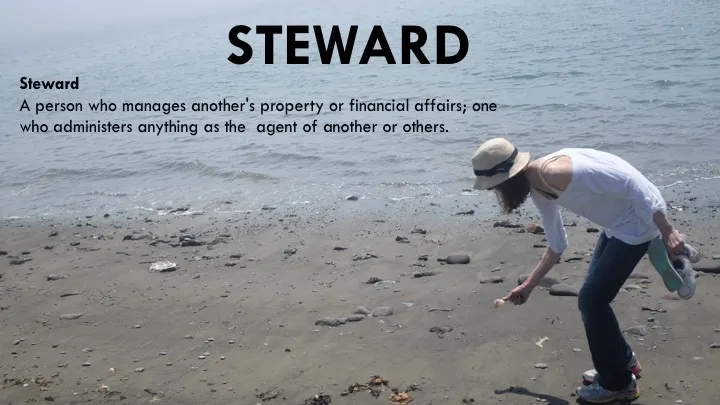
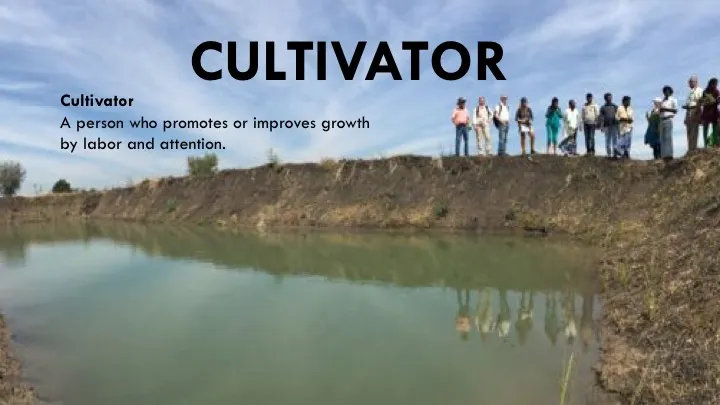
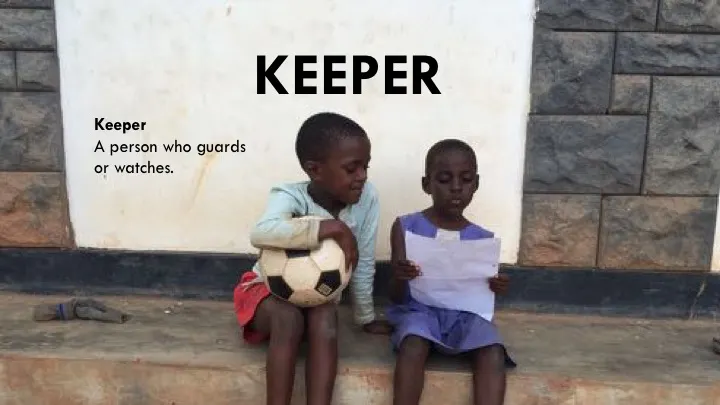
There are so many possible words that we could use to replace the word bank. In my speech to OMISTA Credit Union I suggested three to get people started.
We all have the opportunity right now to rebuild our economy based on love. Love isn’t something to be considered as fluff. Love is good business. Love is using business as a force for good. B Corp certified banks and credit unions are doing their part to make the financial industry more loving, and we should support them in that. No matter what your place in the economy is, you can participate in the love economy by making simple decisions that ensure all people and our planet are respected and honoured.
Things to Read Next
The Film That Catalyzed a Movement
back to beyond the frame view next Click Here culture, behind the scenes Blog title…
Rethinking Success: The Story Behind the Millennial Dream
back to beyond the frame view next Click Here culture, behind the scenes Blog title…
Emily Rodger: From reluctant subject to TV host, and a life transformed
back to beyond the frame view next Click Here culture, behind the scenes Blog title…