client: Silas Blaise & Regional Indigenous Advocacy Partnersdate published: Sep 03, 2014 content type: Documentaries
Documentaries
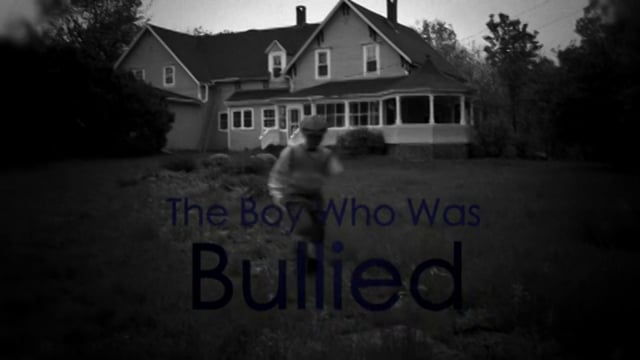
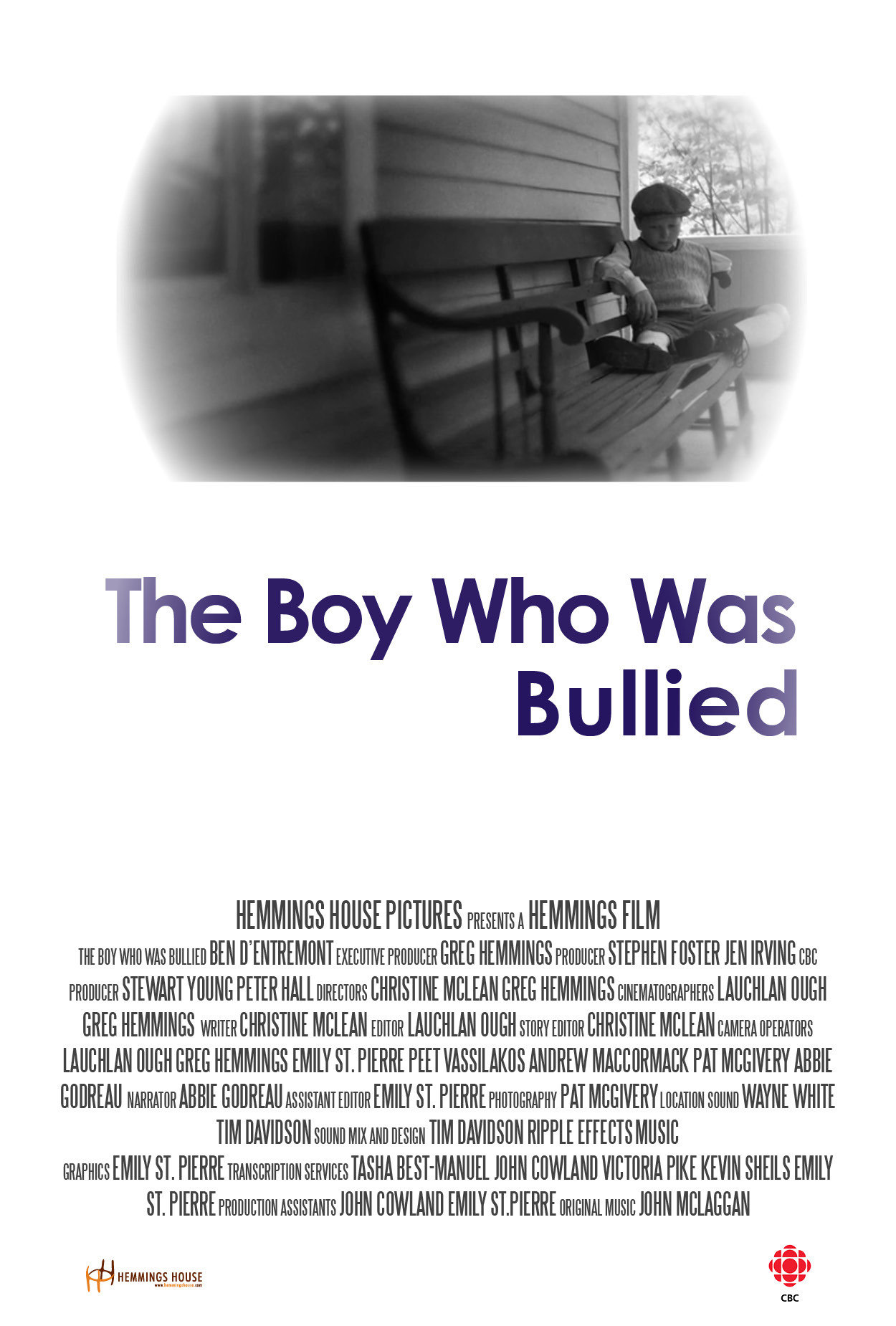
Boy Who Was Bullied
CBC Documentary, 44 minutes
We produced a deeply moving national CBC documentary following Innu elder Silas Blaise as he bravely shared his story of surviving the residential school system, creating a powerful cultural asset that brought vital public awareness to historical injustices and inspired national conversations around reconciliation.
Directed by Greg Hemmings and Christine McLean
Written by Christine McLean
Produced by Stephen Foster and Jennifer Irving
A premium cinematic documentary short, educational screening guides, and cross-platform digital promotion assets.
The Challenge
For generations, the dark history of the Canadian Indian residential school system left deep, agonizing scars across Indigenous communities—scars that were frequently met with silence, denial, or systemic indifference by the broader public. Silas Blaise, an Innu elder from Labrador, carried a deeply personal piece of this history: a lifelong memory of being bullied, stripped of his culture, and forced into a system designed to erase his identity. To foster genuine healing, Silas wanted to share his story, but doing so required immense vulnerability. He needed a filmmaking partner he could trust implicitly—someone who wouldn't just treat his trauma as a standard news soundbite, but would instead approach his narrative with profound cultural reverence, translating a painful personal memory into a powerful educational tool for national reconciliation.
Our Approach
We partnered with Silas and regional Indigenous advocates to produce The Boy Who Was Bullied, a deeply intimate, cinematic documentary short designed to honor his truth and amplify his voice.
Trauma-Informed Filmmaking: Our production team operated with an empathy-first, trauma-informed approach. We created a deeply safe, unhurried space on set, allowing Silas to recount his experiences in his own words and at his own pace, ensuring he maintained complete agency over his narrative.
Cinematic Historical Record: Rather than relying entirely on talking-head interviews, we layered the documentary with poetic, evocative b-roll and thoughtful sound design that mirrored the emotional weight of his journey. Every frame was meticulously crafted to ensure the audience felt the visceral reality of his isolation, as well as the enduring strength of his resilience.
Broadcasting Truth and Reconciliation: We polished the final film to meet rigorous broadcast standards and successfully secured its national television release on CBC, expanding Silas's reach from local community halls to millions of living rooms across the country.
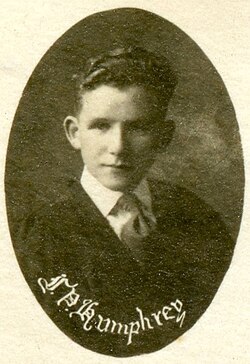
Humphrey did not let his bullies define his fate. He channeled his anger into a lifelong resolve to advocate for those without a voice, eventually becoming the first Human Rights Director at the United Nations and drafting the Universal Declaration of Human Rights."
The Impact
The national broadcast of The Boy Who Was Bullied on CBC and its subsequent screenings at regional film festivals provided a vital, human face to the historical atrocities of the residential school system. By prioritizing raw, first-person vulnerability over clinical textbook data, the documentary successfully educated non-Indigenous audiences, breaking down long-standing walls of apathy and fostering a deeper public commitment to the Truth and Reconciliation process. For Indigenous communities, the film stood as a powerful validation of their shared survival and a beautiful celebration of an elder reclaiming his narrative. Ultimately, the project achieved a lasting cultural impact, proving that when we have the courage to look directly at the pain of our past through film, we pave the absolute foundation for authentic healing and unity in our future.