
culture, behind the scenes
The Stolen Story of the Coca Leaf
For too long, the coca leaf has been entangled in misunderstanding and colonial bias. But its true story, rooted in ancestral wisdom and healing, might hold the key to transforming not just drug policy but our relationship with nature itself.
written by:hhadmindate published: Apr 04, 2025 content type: behind the scenes
As we screened the film and engaged in dialogue, I was again reminded how fortunate I am as a film storyteller to find myself in the presence of such luminaries and movement makers.
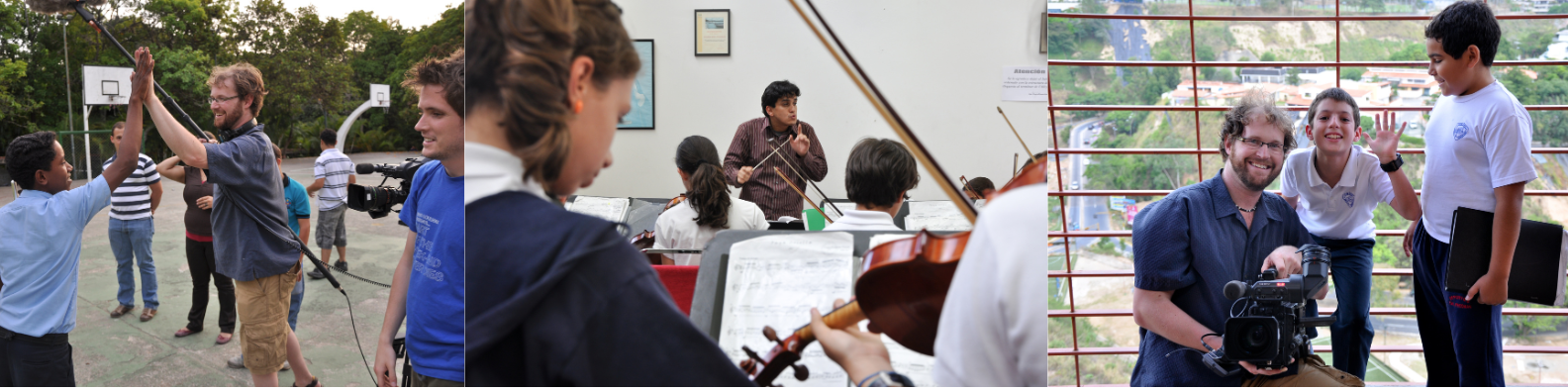
he sun seemed to dip behind the ragged mountain peaks as I drove down the scenic road that leads into the Sacred Valley of Peru to be part of an unforgettable gathering at Willka T’ika Retreat Center. I was attending the Wisdom of the Leaf Coca Summit, a week-long convergence of thinkers, scientists, Indigenous leaders, artists, and policy changemakers who had come together to reimagine the future of one of the world’s most misunderstood plants. I was invited there to screen a film I produced with the legendary ethnopharmacologist Dr. Dennis McKenna and his environmental nonprofit, The McKenna Academy of Natural Philosophy. The film is called Biognosis.
Here is the trailer for the film:
As we screened the film and engaged in dialogue, I was again reminded how fortunate I am as a film storyteller to find myself in the presence of such luminaries and movement makers.
The summit, hosted by The McKenna Academy of Natural Philosophy and renowned anthropologist Wade Davis, wasn’t just another academic gathering. It was a movement in the making — a chance to reckon with the long shadow cast by colonial policy and to bring ancestral knowledge back into the global conversation. At the heart of it all was the humble coca leaf, revered for millennia by Andean-Amazonian Indigenous peoples for its medicinal, nutritional, and spiritual significance.
But for nearly 75 years, that leaf has been vilified and criminalized on the world stage. In 1961, the United Nations listed coca under Schedule I of the Single Convention on Narcotic Drugs, effectively criminalizing its traditional uses. This decision wasn’t based on science or public health. It was rooted in colonial arrogance and racist assumptions that ignored thousands of years of Indigenous stewardship. The world chose to conflate coca with cocaine, ignoring the nuance, the history, and the humanity behind the leaf.
Davis once put it in a way that everyone can understand: “coca is to cocaine what potatoes are to vodka.” Yet, policymakers chose to “ban the potato,” so to speak, without understanding its place in the lives and cosmology of millions of people. Today, decades of research have made it clear that the coca leaf itself carries no threat comparable to its isolated alkaloid derivative. Instead, it offers nutritional and medicinal benefits, while holding profound spiritual and cultural meaning for Indigenous communities.
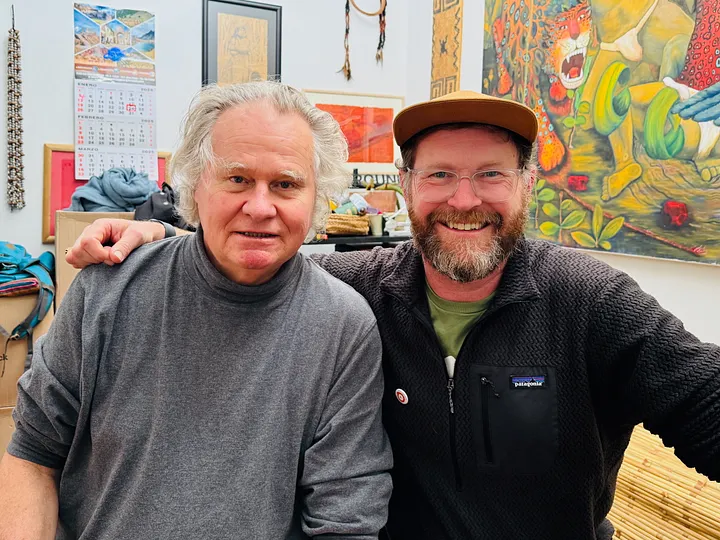
Now, the World Health Organization’s Expert Committee on Drug Dependence (ECDD) is finally reviewing the classification of the coca leaf, a long-overdue step toward righting a historical wrong. The Wisdom of the Leaf Coca Summit hosted Indigenous leaders from different parts of the Andes. As I listened to their message to the diverse group, it was clear that this ECDD review cannot simply be a bureaucratic process. It must involve the people who have carried this plant’s wisdom across generations. It must center Indigenous voices at every stage of the review, from data collection to policy recommendations.
This moment is bigger than drug policy. It’s an opportunity to rethink how we relate to the natural world and how we honor the knowledge of those who’ve cared for it far longer than modern institutions have existed. The coca leaf is not the demon it’s been made out to be. If anything, the real danger lies in the stories we’ve told ourselves about what is sacred and what isn’t. I suppose, as a film storyteller, that my biggest takeaway from this summit is that this very special plant has been a victim of untruthful yet convincing storytelling that has resulted in so much harm. The criminalization of coca didn’t just silence Indigenous tradition; it fueled a violent black market, leaving Andean farmers caught in the crossfire and, in many cases, being forced to feed a global cocaine trade that has devastated countless lives through addiction, corruption, and conflict.
The West, ironically, was responsible for isolating the cocaine alkaloid from the leaf, transforming it through chemical processing into the addictive powder that would fuel an empire of consumption, mostly in North America, Europe, and other Western nations. The West exploited it, commodified it, and then demonized it, leaving a trail of destruction that fell hardest on those who had long stewarded the plant in its natural, sacred form.
It is time for the coca plant to reclaim its story, and the Wisdom of the Leaf Coca Summit was a great platform for me to start to understand its story.
If you’d like a glimpse into the energy, wisdom, and community that came together at the summit, my dear friend and collaborator Luis Solarat beautifully captured the gathering in a short documentary. You can watch it here:
Things to Read Next
The Film That Catalyzed a Movement
back to beyond the frame view next Click Here culture, behind the scenes Blog title…
Rethinking Success: The Story Behind the Millennial Dream
back to beyond the frame view next Click Here culture, behind the scenes Blog title…
Emily Rodger: From reluctant subject to TV host, and a life transformed
back to beyond the frame view next Click Here culture, behind the scenes Blog title…