
culture, behind the scenes
Why I Quit Working on Abusive Feature-Film Sets and What I’m Trying to Do to Reframe the Industry.
From Volunteer Film Crew Member to Inclusive Production House Owner.
written byhhadmindate published Jun 27, 2017 content type behind the scenes
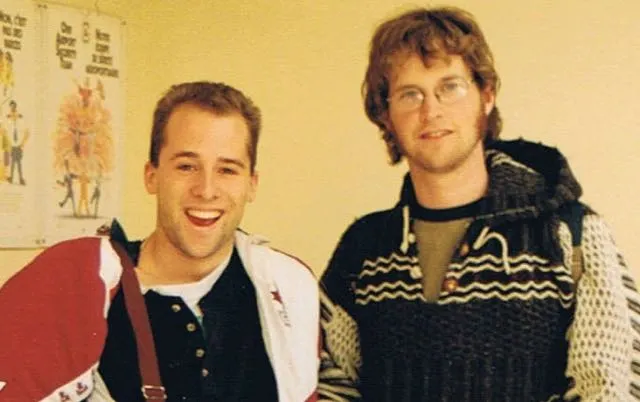
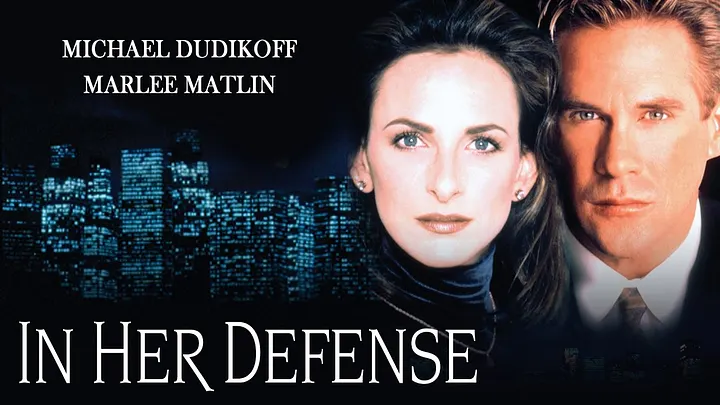
It was early winter of 1998 when I heard that a Hollywood feature film was going to be shot in my hometown of Saint John, New Brunswick. I couldn’t believe it! It was my chance to finally get a position in the camera department and put my killer film-school skills to work. The film was called “In Her Defense” and starred Marlee Matlin, Daniel Pilon and Michael Dudikoff (of American Ninja fame … yeah, 1985!). The film was directed by famed director Sidney J. Furie (of “Superman IV” and “Iron Eagle I” and “II”).
My best friend/film-school mate Andrew Tidby and I flew back from Ontario to meet with the production manager to see if we could get hired as trainees. Unfortunately, they didn’t have any budget to hire us, but after we suggested that we would be happy to work free, they decided to “hire” us and put us in the camera department. It didn’t take me long to realize that film school did not, and perhaps couldn’t have, prepared me for what it would take to thrive (or survive) on a feature-film set. My killer film-school skills would become a point of comedy I would soon realize. After the first day I started to question my destiny in this industry after studying it for three years at Niagara College. Was it possible that my first real gig would discourage me from making a career out of this storytelling passion of mine?
A Culture of Bullying
I have always been a hard worker, so the 16- to 18-hour days on the film set didn’t bother me much. I have always been an engaged team member, so I had no issue pulling my weight and taking orders to make sure we had an efficient day. And although working as a camera assistant on set is ironically a very uncreative process for a creative person, I was able to push through knowing that if I worked hard, someday I could actually be a Director of Photography. For me, what I had a very hard time dealing with was the lack of respect many superiors had toward their subordinates — in particular, my friend Andrew Tidby and yours truly.
Looking back on it, we were subjects of a strange sort of bullying that was prevalent on so many movie sets back then and sadly still exists today. It was the macho, testosterone-filled egotistical male that set the tone of culture on the sets I worked on. If we missed a step, weren’t quick enough, pulled out the wrong piece of gear, or were standing slightly in the wrong space, we would be publicly shamed loudly by superiors who made a game out of making people feel small. The bullying happened on a minute-by-minute basis for the full length of the production, and this situation sadly became a foreshadow of so many other film sets I worked on in Canada as an IATSE-unionized camera trainee.
As a point of comic relief in this otherwise somber post, there was one scene I remember so well, where Tidby and I were both slating two different cameras for a scene in which Dudikoff was to walk into the bedroom holding onto a huge pile of papers while Matlin was in her bed. When Sidney yelled “ACTION!”, Dudikoff stormed onto the set (as per script) and tripped over Tidby (not per script) as he and I were crouched outside of the door with our slates in hand.
Dudikoff dropped the entire stack of papers while Tidby frantically tried to pick them up, all the while Sidney kept calling, “Action. Action! ACTION! Michael, ACTION!” Dudikoff panicked and barked at Tidby, “What are you doing?!” and kicked Tidby in the ribs as a impulsive demonstration of his frustration over the scene interruption. Cameras were ordered to cut, Dudikoff calmed down a bit, the scene was reset, and we went for another take. No one said a word about how unexpected (and umm … epic?) it was that the one and only American Ninja, one of Tidby’s childhood heroes, had kicked him in the ribs! He still uses this experience as a funny, yet sad, badge of honour.
More Women in Leadership Roles Just Makes Sense
Not everyone was a bully, though. Some up-standers kept us motivated to continue coming back every morning. The women on the set (who had been in the industry for years) quickly became our support system, reminding us that the industry is flooded with rough, sometimes uneducated, chauvinists who have very little more in their lives to keep them inspired to be great leaders.
These women were professional and tough, but kind-hearted. It was this first film that made me think to myself, “Too bad this industry is dominated by testosterone …” and that if women directed more films and led more departments, this industry could be a much more creative, inclusive and even safe one to work and thrive in. I also want to acknowledge and send props to a few awesome men on the crew (you guys know who you are) who would remind us that those other guys were asses and for us to stay strong.
A True Leader
At the wrap party I had a chance to thank Sidney Furie for the opportunity to work on his set. He was a very kind person, and I had a lot of respect for him. He said to us with a smile, “Guys, I hope production paid you well for all that abuse the crew gave you.” When we told him that we were actually volunteers here to learn, his demeanor changed. He turned red. He immediately went up to the microphone on stage where the band was playing and got everyone’s attention and said something like this:
“I have worked on many films in my life. I have rarely seen two trainees work so hard to help make MY vision of a great film come to pass. I am furious to find out now that these two young people actually volunteered to work on MY movie for free and were treated so poorly. We should all be ashamed of ourselves for the way we either treated them or allowed them to be treated.” With that he pulled out $200 in cash and put it in his hat and passed it out to the crowd strongly encouraging people to fill it. He ended his message by saying, “Mark my words, some day many of you will be putting your resumes to work on these guys’ movie sets and you will regret the way you treated them.”
Sidney’s prophecy came true; indeed Tidby and I both built our own film companies and have hired many people from that very film in the years since. But, perhaps largely in light of this experience, we have never tolerated bullying, harassment or disrespect on our sets. I remember after working in the business for about three years saying to myself, “I am quitting the union and my dream to be a top cinematographer. Instead I am going to be a producer and build a business around stories that make the world a happier and kinder place, produced by filmmakers who care and respect each other.”
A New Vision
My company, Hemmings House, does not have a perfect record as we continue to navigate this shift, and there have been occasions when we have inadvertently hired freelancers who don’t share our values of inclusion, diversity and respect. These people were let go and not asked to come back. We have all learned as a group that we need to balance the gender weight on our sets. To that end, we aim to have at least 50 percent female crew members on our teams.
The benefits of having a balanced gender set are numerous. One is the set etiquette. There is a level of professionalism that is very high on the surface with male-dominated feature film crews, but there is often a behind-the-scenes culture of chauvinism and disrespect when producers and department heads aren’t present. The more women on set, the less this happens. Women and men creating art together in an equal environment actually yields awesome results, as both genders bring complementary strengths to the table that can benefit the overall production experience. And of course, in general, the more balanced the gender power dynamics are, the more respect the whole crew experiences. The data to back up these statements are from my own experiences and those of women and men who I have spoken to who have experienced similar things during their journey in the film industry.
As a certified B Corporation, we have accepted the Inclusion Challenge, which has allowed us to actually measure our positive moves toward building a film crew environment where everyone feels safe, respected and appreciated. It’s a long game, and we have had many bumps in the road as we have learned. Shifting the culture of an abusive culture is not an easy thing to do. But we are doing it, slowly but surely, starting with the founding team.
As we find our way in the world and strive to create a diverse and inclusive industry, we set a tone and example for our larger family of crew members. Hemmings House is one of the largest commercial production companies in Atlantic Canada, and we have been blessed with a certain amount of influence within our film production community. We have seen a lot of great changes in the film industry over the last few years as the scales tip away from a male-dominated industry to a more equitable and diverse one.
I have a long way to go though, as does my team, my company, and my production community, but now is the time for all of us to commit to making this positive change. No longer can we put up with bullying, harassment and disrespect in ANY workplace.
Props to Sid!
I want to thank Sidney Furie for sticking up for the little guys who were mistreated on your set. You truly set an example for me to be a conscious and empathetic leader. I also want to thank all the up-standers (male and female) who encouraged me and countless others to keep on keeping on …you are lifelong friends. I also want to thank the B Corp community for committing to the Diversity and Inclusion challenge … our ripples are making waves that actually move the world.
So what did Tidby and I do with the $500 that we each were guilt-paid?
Well, I bought a 1977 Suzuki GS 550 motorcycle, and Tidby used his toward a trip where he walked across England, which inspired both of us to continue making films, TV series and commercial projects in the spirit of being kind to other humans.
Things to Read Next
The Film That Catalyzed a Movement
back to beyond the frame view next Click Here culture, behind the scenes Blog title…
Rethinking Success: The Story Behind the Millennial Dream
back to beyond the frame view next Click Here culture, behind the scenes Blog title…
Emily Rodger: From reluctant subject to TV host, and a life transformed
back to beyond the frame view next Click Here culture, behind the scenes Blog title…